
Botanical Maximalism: Where Bold Greenery Meets Sustainable Soul
Let’s be honest—how many of us have stared at a sterile, minimalist room and felt… nothing? In 2025, design is swinging back to life. Enter Botanical Maximalism, a trend that’s not just filling spaces with plants but crafting immersive, soulful environments where sustainability and wild beauty coexist. Think of it as nature’s comeback tour—with a purpose.
Why “Less Is More” Is Taking a Backseat
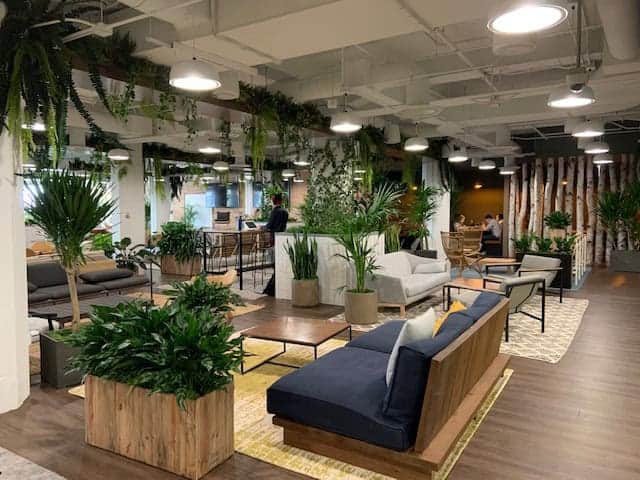
Remember when every design magazine preached “clean lines” and “neutral palettes”? While minimalism had its moment, many of us craved warmth and personality. Enter Botanical Maximalism: a rebellion against blandness that layers lush foliage, rich textures, and artisanal materials to create spaces that feel alive.
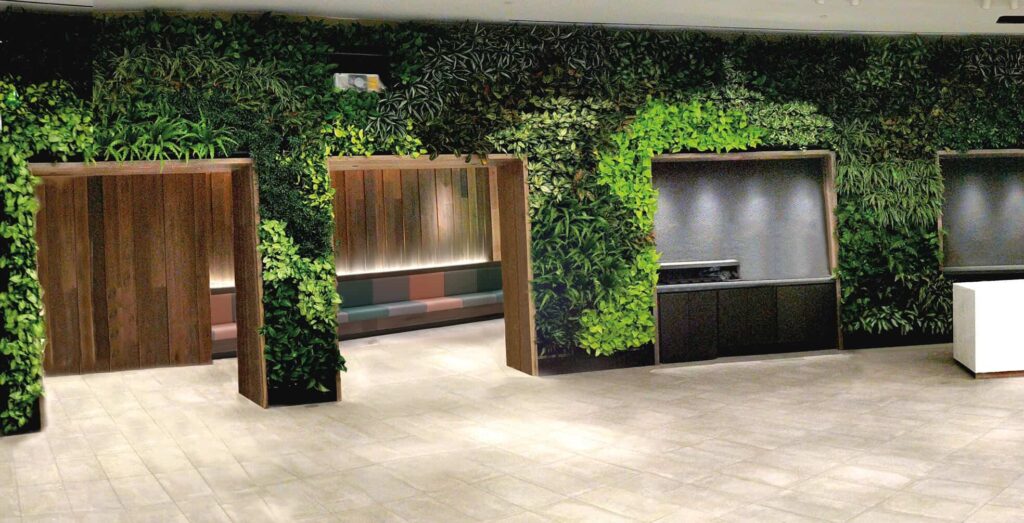
Take Sarah, a corporate designer in Chicago, who transformed a stark office lobby with a floor-to-ceiling living wall:
“Clients used to rush through. Now they linger, recharge, and even take selfies with the living wall.”
How to Master Botanical Maximalism (Without the Chaos)
Botanical Maximalism isn’t about cramming every square inch with plants—it’s about intentional abundance. With commercial-grade solutions, you can create showstopping, sustainable spaces that wow clients without upkeep headaches. Here’s how to nail the trend:
1. Start with a Signature Wall (That Does the Heavy Lifting)
- Living Walls: Systems like ASI’s NextGen Living Walls take the guesswork out of vertical gardens. Imagine a lobby bursting with air-purifying pothos and philodendrons.
- Moss Walls: Preserved moss walls in earthy tones (olive greens, warm taupes) add instant texture without watering. Perfect for dim corners where live plants won’t thrive.
Pro Tip: Pair a moss wall with oversized fiberglass planters in complementary hues. The contrast of soft moss and sleek planters? Chef’s kiss.
2. Anchor Spaces with Commercial-Grade Planters
Floor planters aren’t just decor—they’re functional art.
- Custom Colors: Match fiberglass or fiber clay planters to your client’s brand (yes, even Pantone’s 2025 “Mocha Mousse”). A row of blush-pink planters can turn a rooftop into an Instagram magnet.
- Shape Matters: Use angular planters to define walkways or curved ones to soften corporate lobbies. Lightweight designs make rearranging a breeze.
3. Craft Visual Harmony with Layered Textures
Botanical Maximalism thrives on depth—think vertically and horizontally.
- Living Walls as Backdrops: Install a lush wall as a focal point, then layer in floor planters with varied heights (e.g., fiddle-leaf figs in sleek cylinders, succulents in geometric pots).
- Moss for Subtle Drama: Frame doorways with preserved moss panels. Their velvety texture contrasts beautifully with glossy floors or planters.
- Play with Scale: Pair oversized planters with delicate hanging installations.
Pro Tip: Stick to a cohesive palette (muted greens, terracottas) to unify layers.
4. Design for the Instagram Moment (and the Long Haul)
Clients want spaces that look good and last.
- Durability: Opt for planters built for high-traffic areas (toddlers, luggage, spills).
- Modular Magic: Living wall panels can expand or rearrange as needs change—no “rip and replace” during rebrands.
Why This Trend Isn’t Going Anywhere
- Stress Relief Meets Scroll-Stopping Style: Greenery slashes stress by 37%—but nobody shares selfies in sterile rooms.
- Customization is King: Match planters to logos or hotel palettes for a branded experience.
- Low Effort, High Impact: Preserved moss thrives in dim corners; commercial planters outlast retail ones.
- The Rise of “Third Spaces”: Hybrid work demands lobbies, cafes, and hotels that feel like living rooms.
A Nod to the Skeptics: “But Won’t Floor Planters Clutter the Space?”
- Start Strategic: A single statement planter (like ASI’s Eco Fiberglass) can define a lounge zone without clutter.
- Go Vertical: Maximize greenery upward with living walls and hanging plants.
- Customization is Key: Blend planter hues with your brand for seamless integration.
Bottom line: Done right, floor planters don’t eat space—they create it.
Final Thought
Botanical Maximalism isn’t just a trend—it’s a mindset. It’s about crafting spaces that help us thrive, not just survive.
